June 29, 2026
The University of Health and Allied Sciences (UHAS), in partnership with Hope for Future Generations (HFFG), the Global Health Advocacy Incubator (GHAI) and key health sector stakeholders, convened a national symposium on sustainable financing for primary health care in Ghana on Friday, June 19, 2026 at Ho.
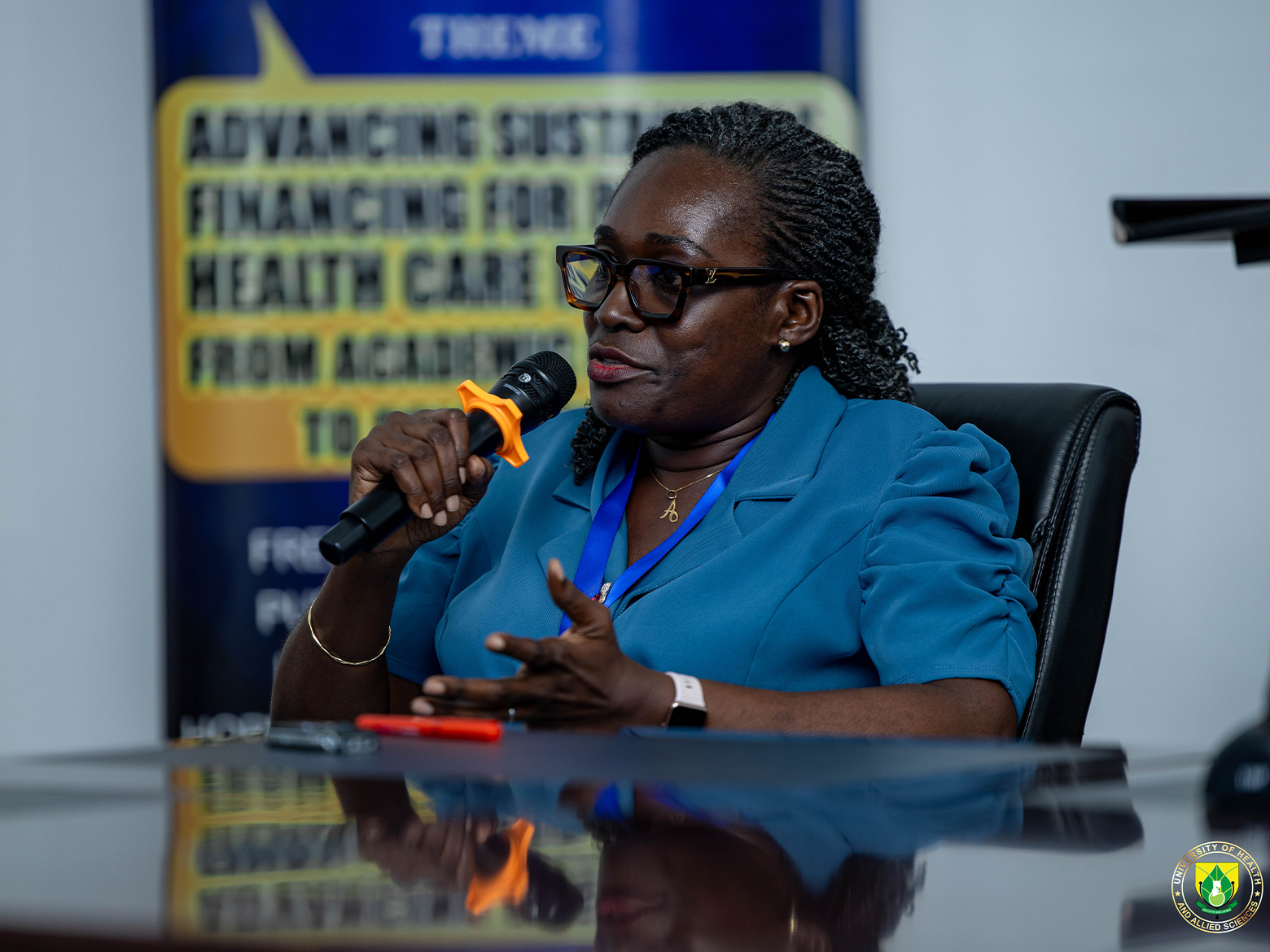
The event which was held under the theme “Advancing Sustainable Financing for Primary Health Care in Ghana: From Academic Research to Policy Making”, brought together academics, health economists, policymakers, development partners and practitioners to address the urgent challenge of financing primary health care and immunization amid declining donor support and rising domestic responsibilities.

The Vice Chancellor of UHAS, Professor Lydia Aziato, urged participants to generate actionable, evidence-based recommendations that could shape national policy and improve equitable access to healthcare.
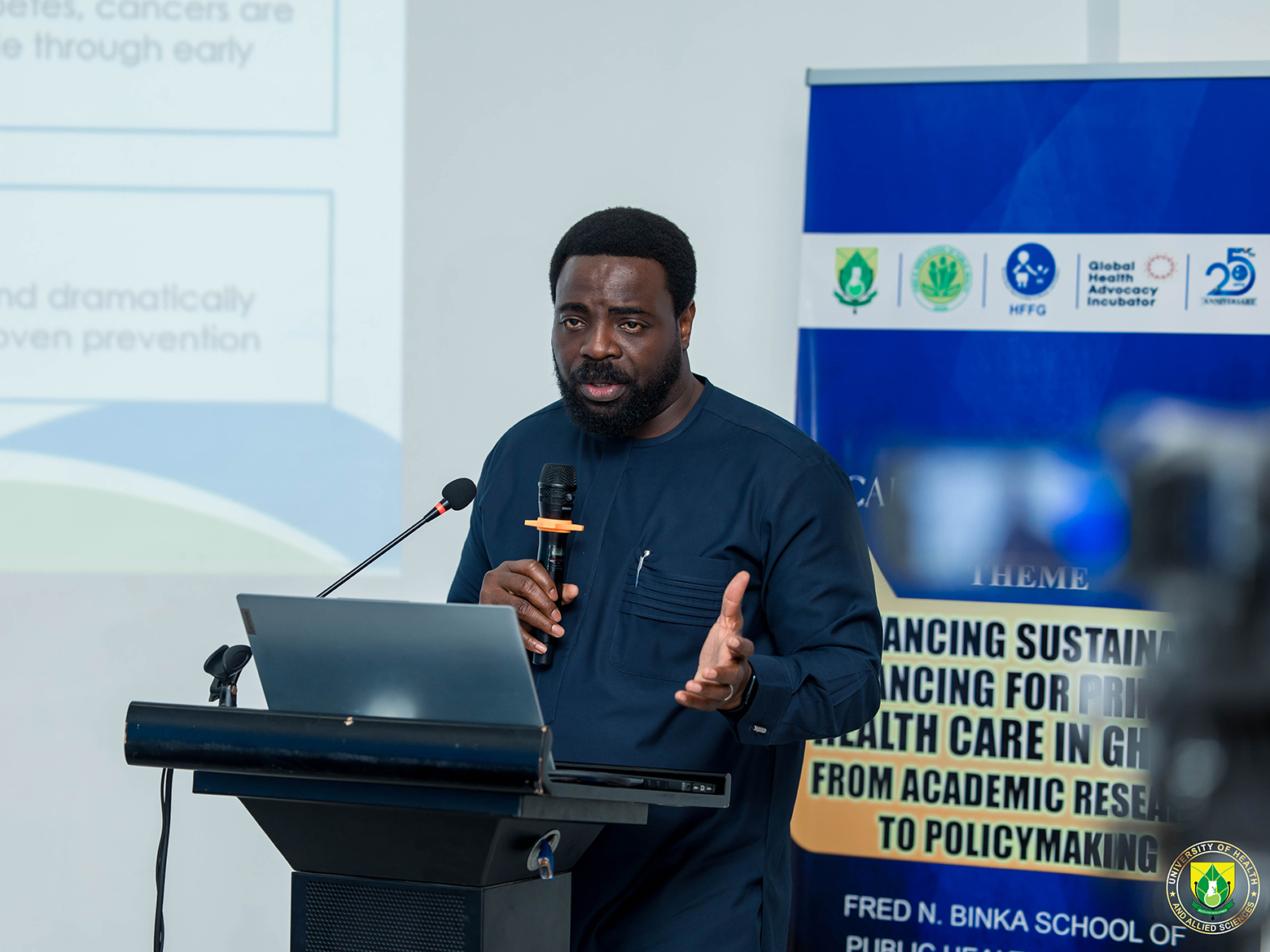
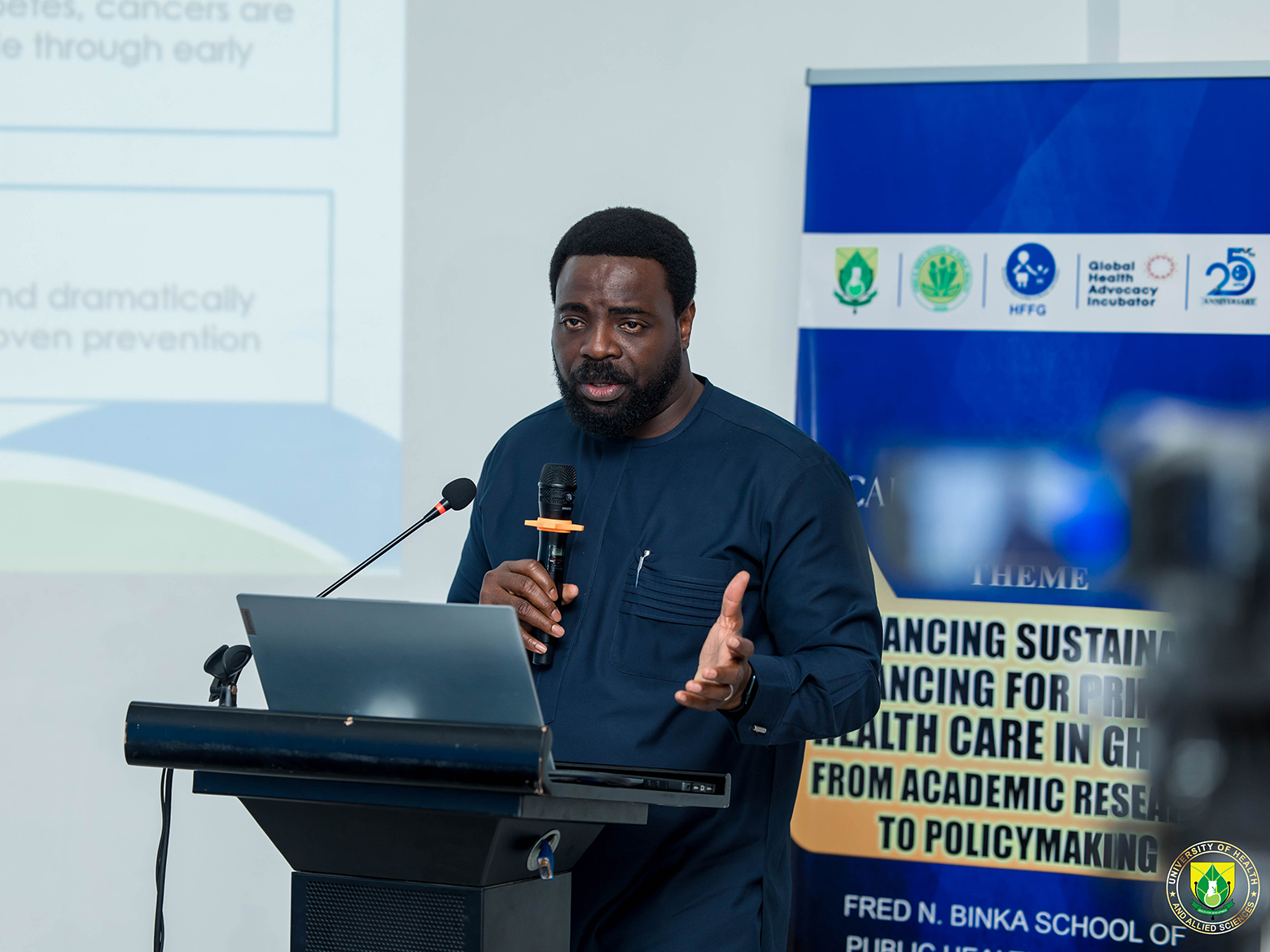
The Keynote Speaker, Dr. Senanu Kwesi Dzokoto, Deputy Chief Executive Officer of the National Health Insurance Authority (NHIA), outlined reforms to strengthen preventive services, strategic purchasing and equitable access under Ghana’s vision for Free Primary Health Care.
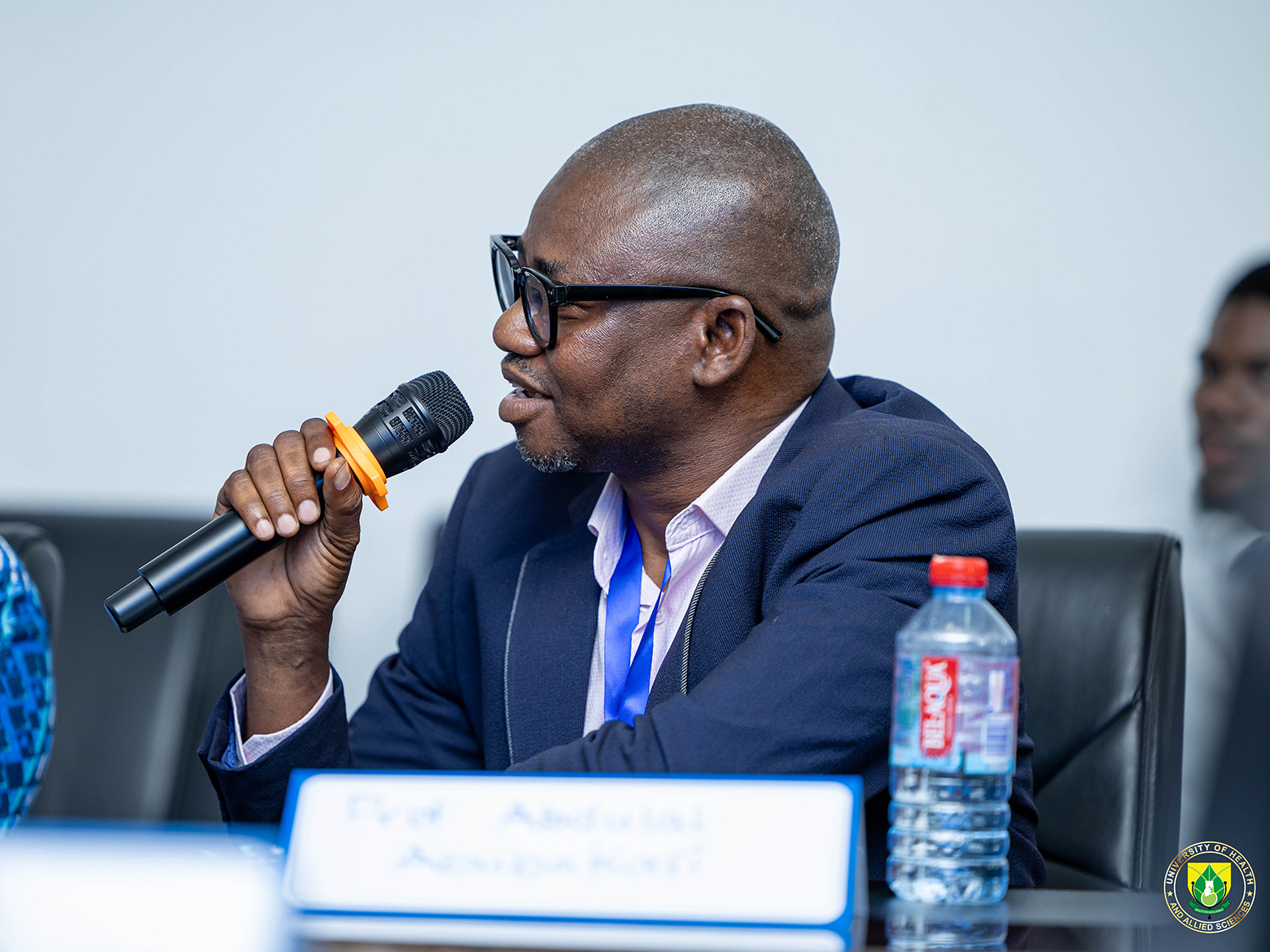
The symposium featured thematic discussions led by Professor Martin Ayanore, Dean of UHAS School of Graduate Studies; Professor Gilbert Abiiro, Vice Dean of School of Public Health at the University for Development Studies, Tamale; and Professor Justice Nonvignon of the University of Ghana School of Public Health, who highlighted innovative financing mechanisms, lessons from global Universal Health Coverage models and the role of economic research in shaping policy. Professor Ama Fenny also presented findings on immunisation financing, stressing Ghana’s pathway toward full domestic funding of vaccine programmes by 2030.
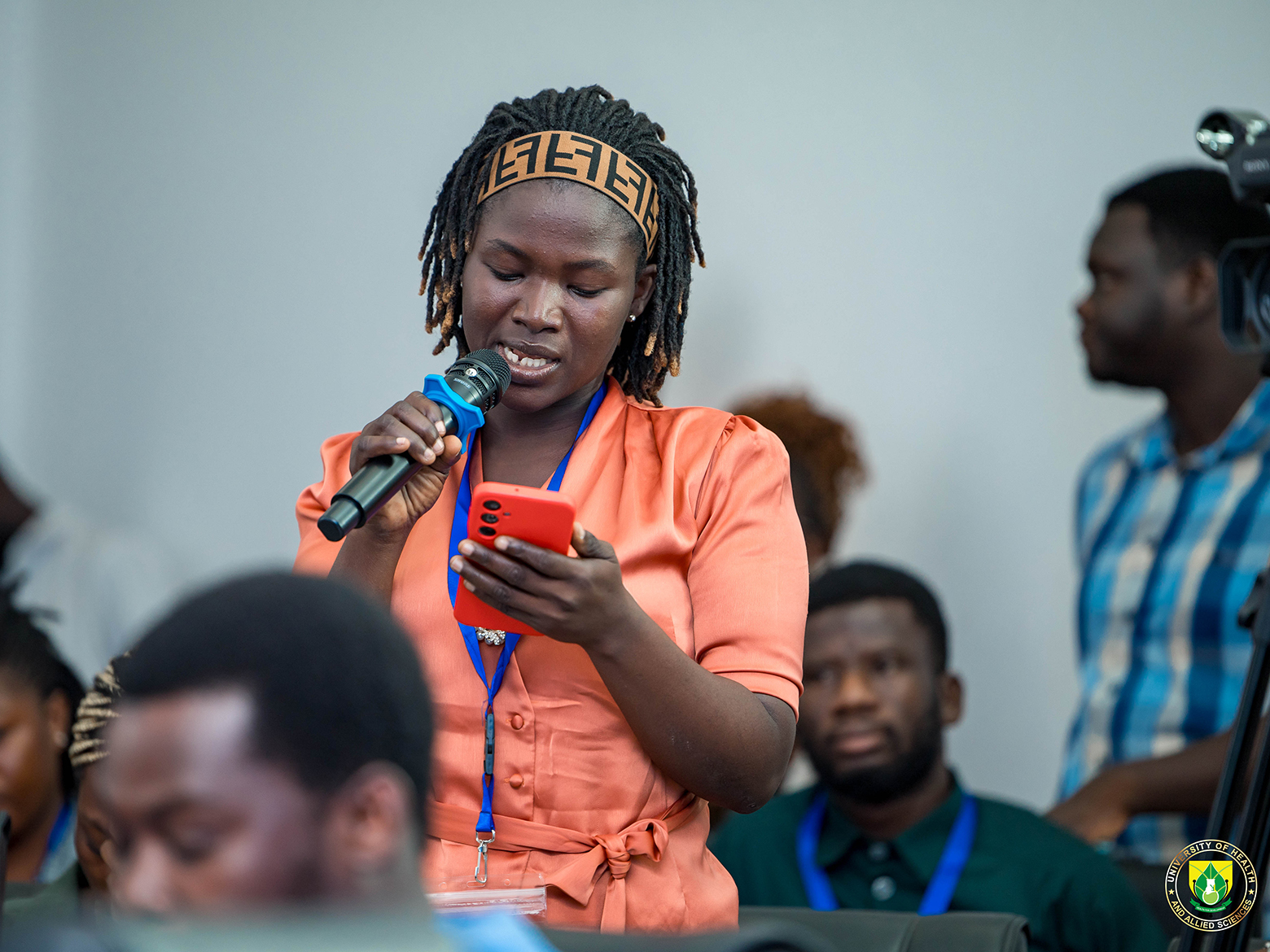
Interactive panels engaged representatives from academia, government, civil society and international organizations, fostering dialogue on financing strategies and collaboration between researchers and policymakers.
The Executive Director of Hope for Future Generations, Madam Cecilia Lodonu Senoo, in a brief remark, posited that sustainable development begins when vulnerable groups are supported with the right interventions and opportunities to thrive.
The symposium concluded with a commitment to draft a communiqué and policy recommendations to support Ghana’s health financing reforms, Universal Health Coverage and the Free Primary Health Care agenda.
By convening diverse stakeholders, UHAS affirmed the critical role of universities in driving evidence-informed policymaking and advancing sustainable health systems for Ghana and beyond.