April 21, 2026
The University of Health and Allied Sciences (UHAS) has taken a bold step to confront one of Ghana’s most overlooked public health challenges: Female Genital Schistosomiasis (FGS). Through the WINGS-4-FGS project, UHAS is breaking the silence around this neglected tropical disease, which disproportionately affects women and girls living along the Volta Basin.
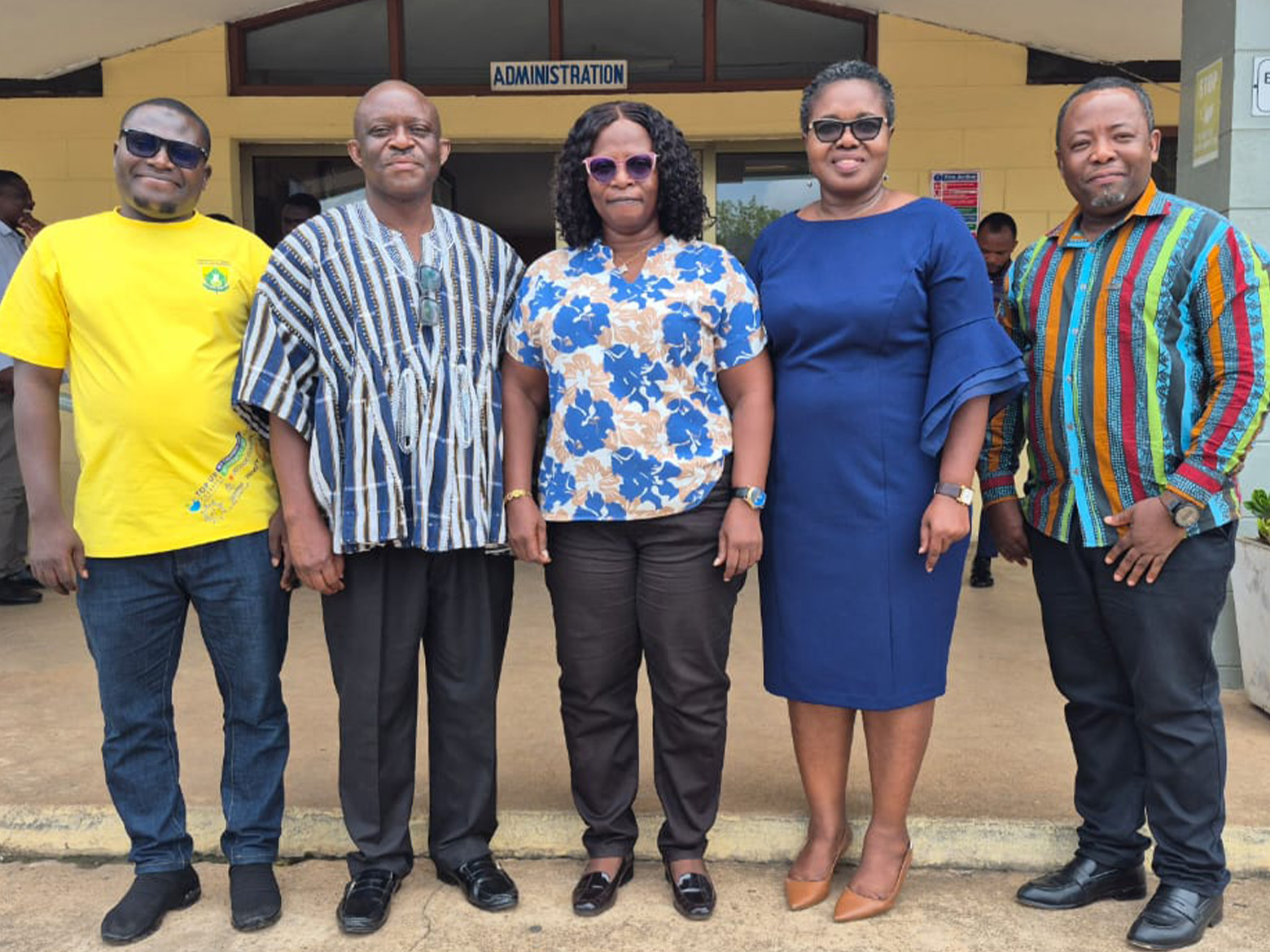
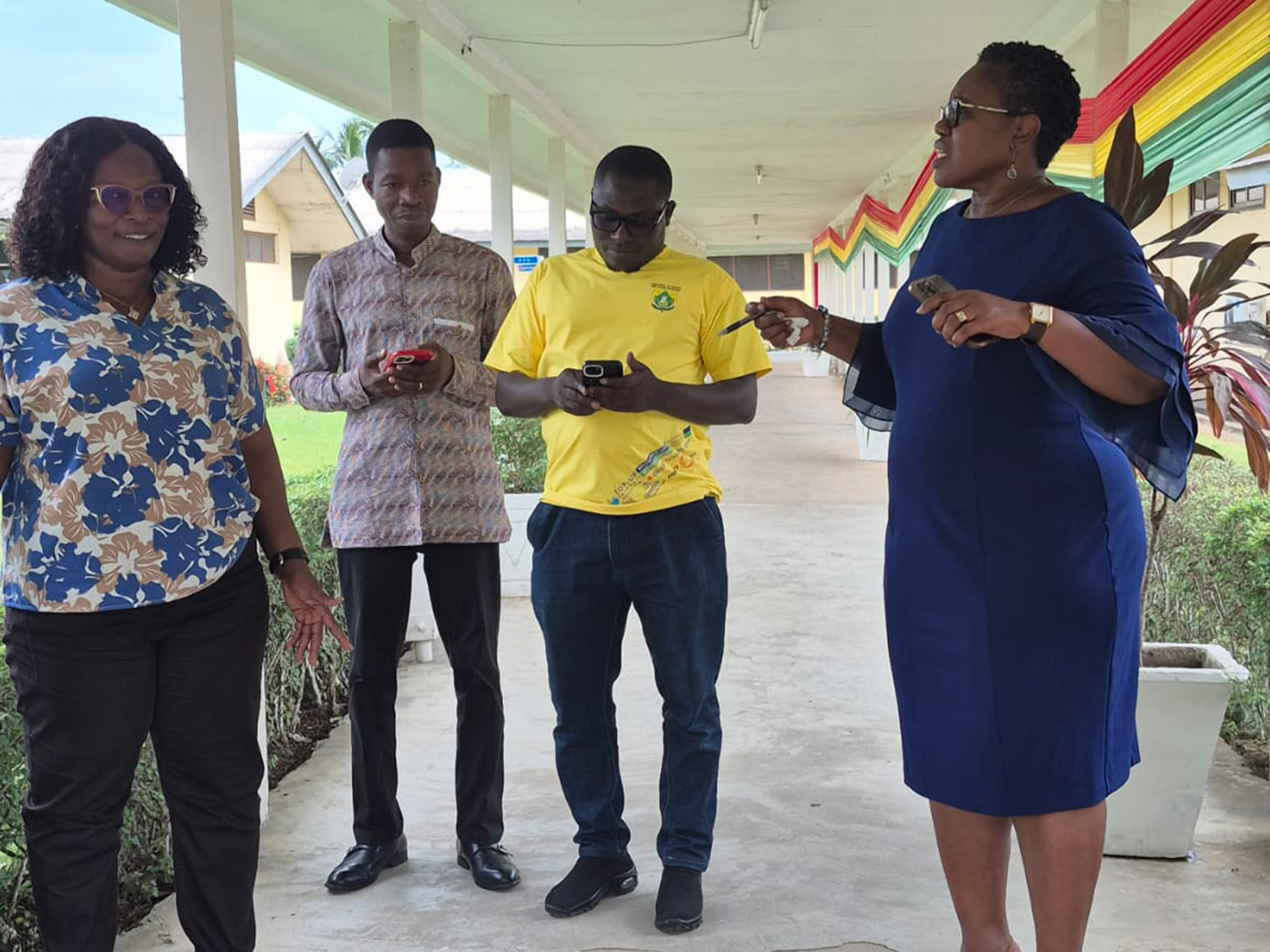
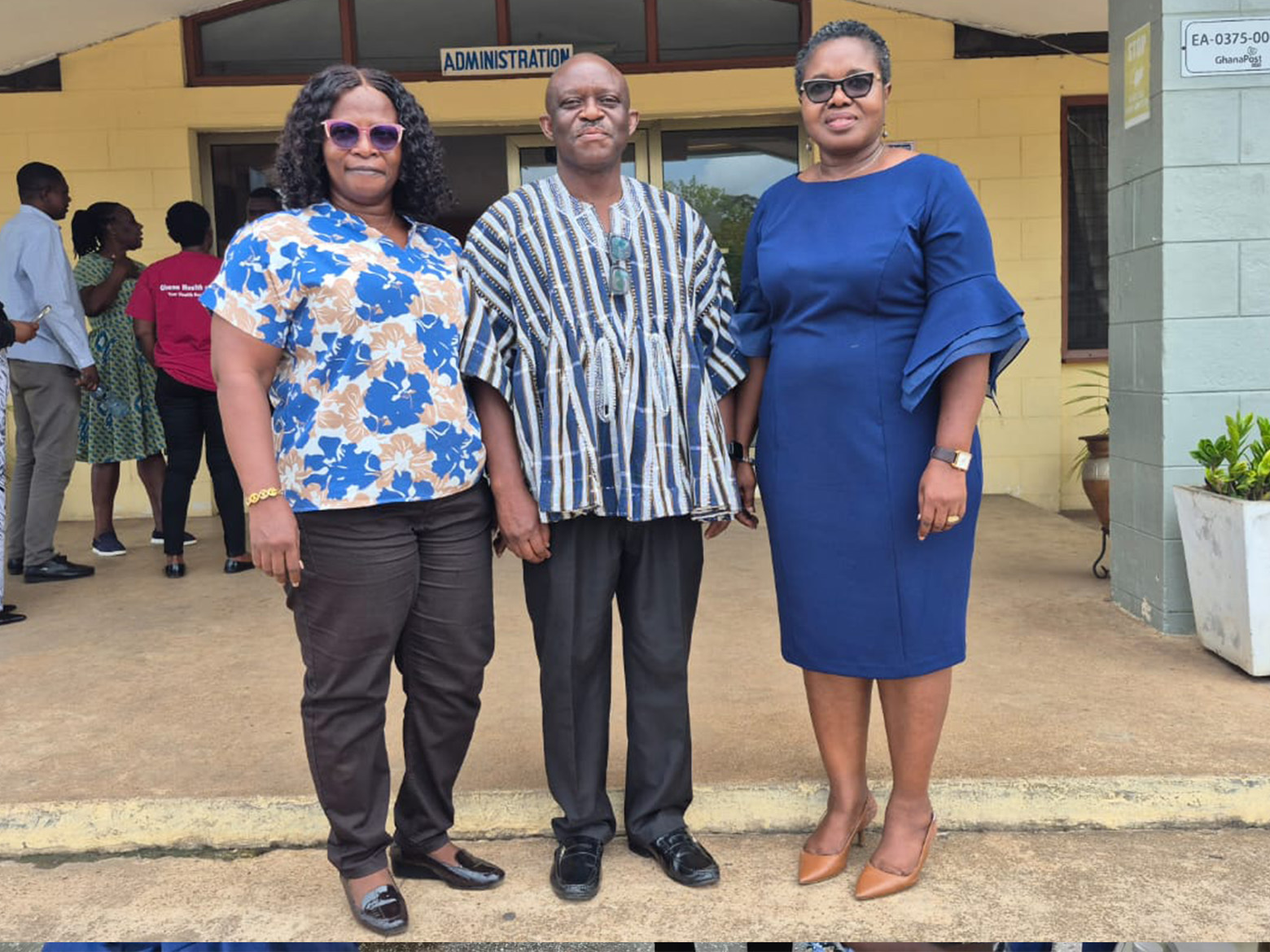
On Wednesday, April 1, 2026, the UHAS team visited the Asuogyaman District to deepen collaboration with local health authorities and ensure project activities align with district priorities. Despite decades of research on schistosomiasis, FGS remains underdiagnosed, poorly understood and stigmatized. Women living with the condition often endure discomfort, limited access to care and social exclusion.
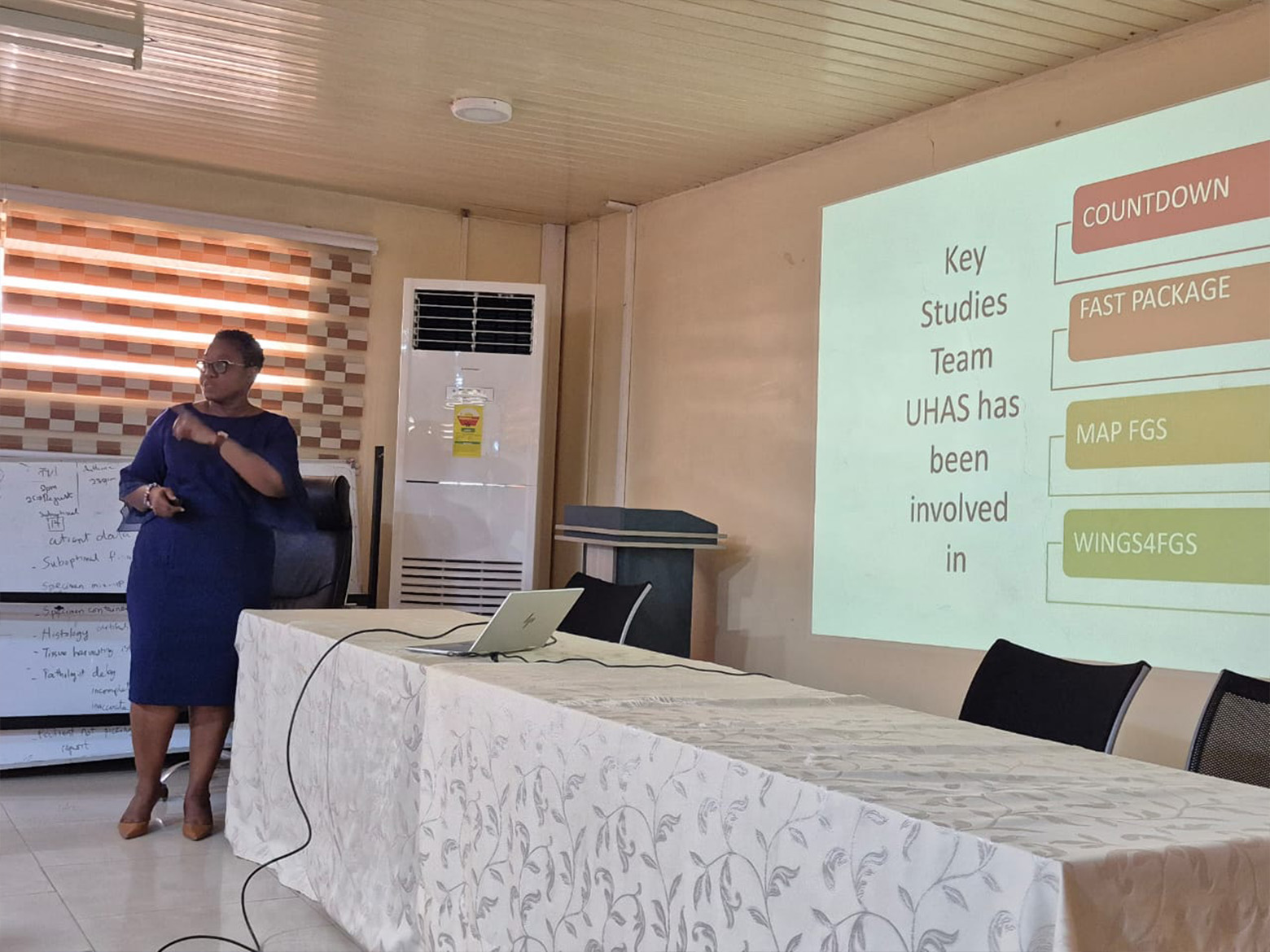
Professor Margaret Gyapong, Site Principal Investigator for WINGS-4-FGS, emphasized that the initiative is designed to be sustainable and integrated into existing health systems. She highlighted the scarcity of prevalence data along the Volta Basin, noting that some communities report infection rates exceeding 90%.
A hallmark of the project is its self-sampling diagnostic approach, which allows women to provide samples privately, reducing the discomfort associated with gynaecological examinations. Alongside diagnostics, the project is exploring improved treatment options, strengthening patient care and rolling out targeted communication materials to raise awareness.
Community involvement is central to the initiative. Teachers, healthcare workers and local leaders will be engaged to identify knowledge gaps and co-design interventions that improve awareness and understanding of FGS. By embedding FGS management into sexual and reproductive health services, the project aims to normalize care, reduce stigma and expand access within routine service delivery.
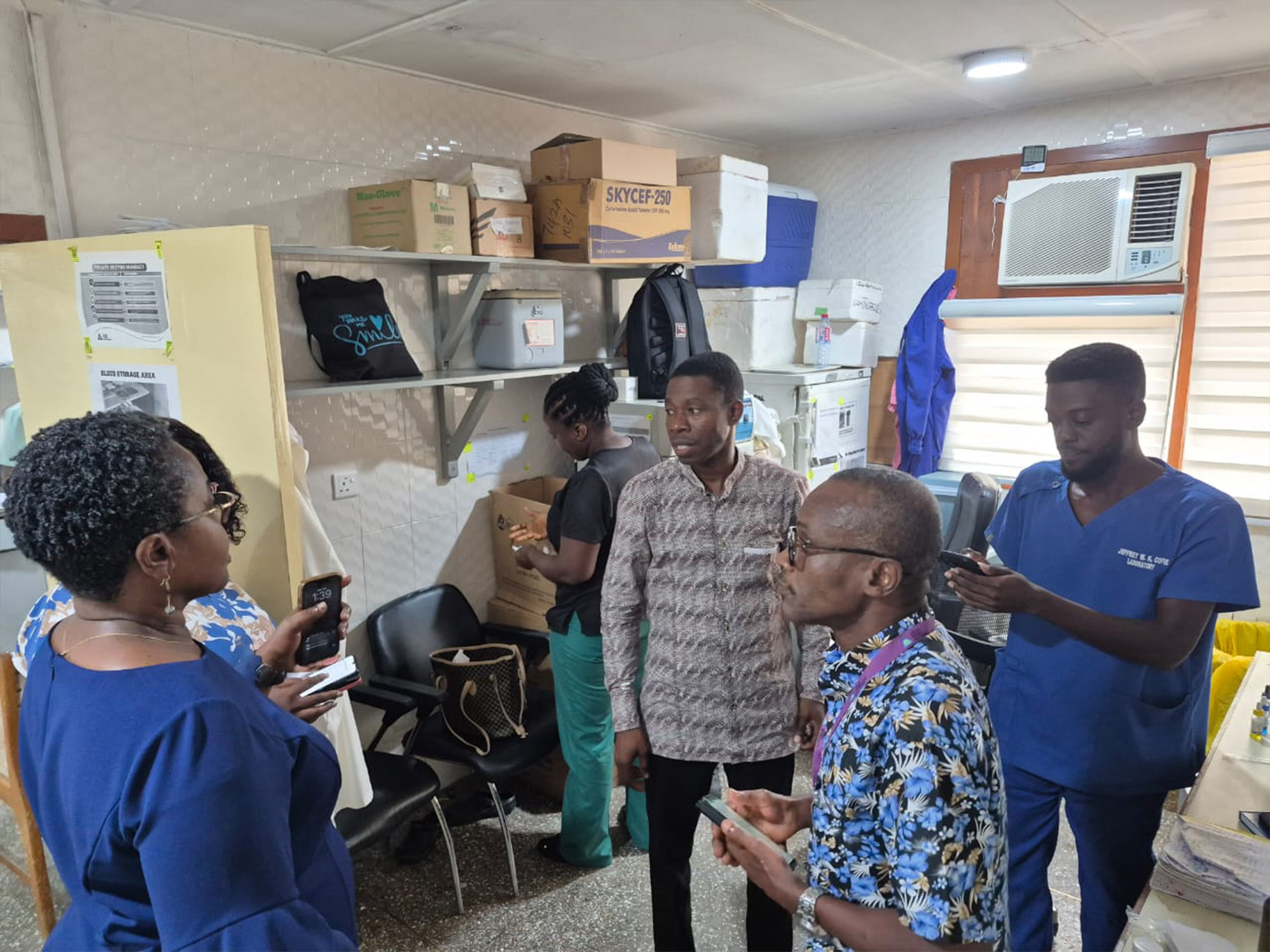
Discussions during the engagement also focused on practical implementation issues, including data availability, sampling approaches and the use of community health facilities such as CHPS compounds to support field activities. The collaboration between UHAS and district stakeholders underscores a shared commitment to tackling one of the most neglected public health challenges in the region.
. 
The WINGS-4-FGS initiative represents a significant step toward improving the health and well-being of women and girls affected by FGS. By breaking the silence around this condition, UHAS and its partners are ensuring that affected communities are no longer left behind in Ghana’s public health agenda.