June 10, 2026
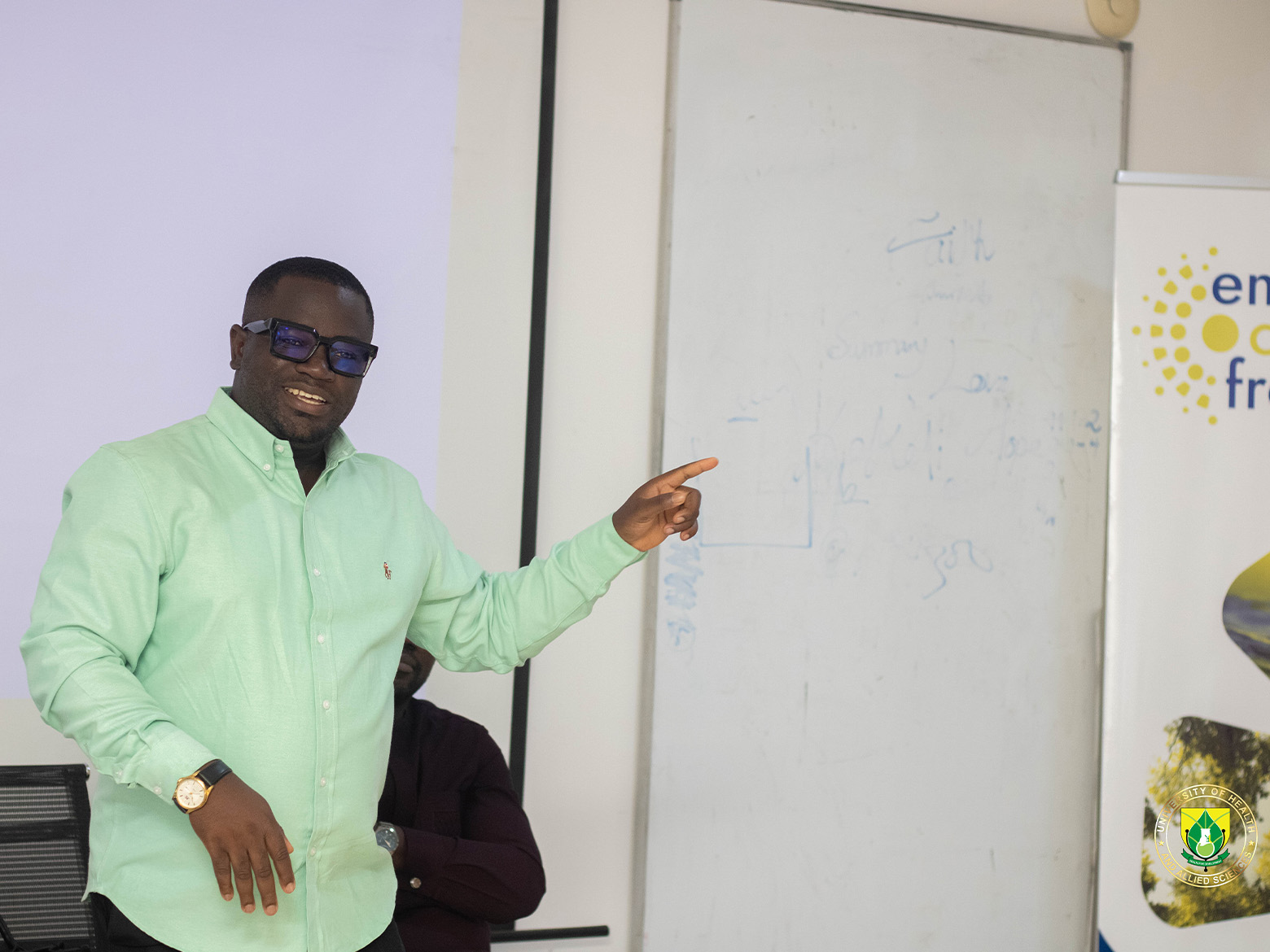
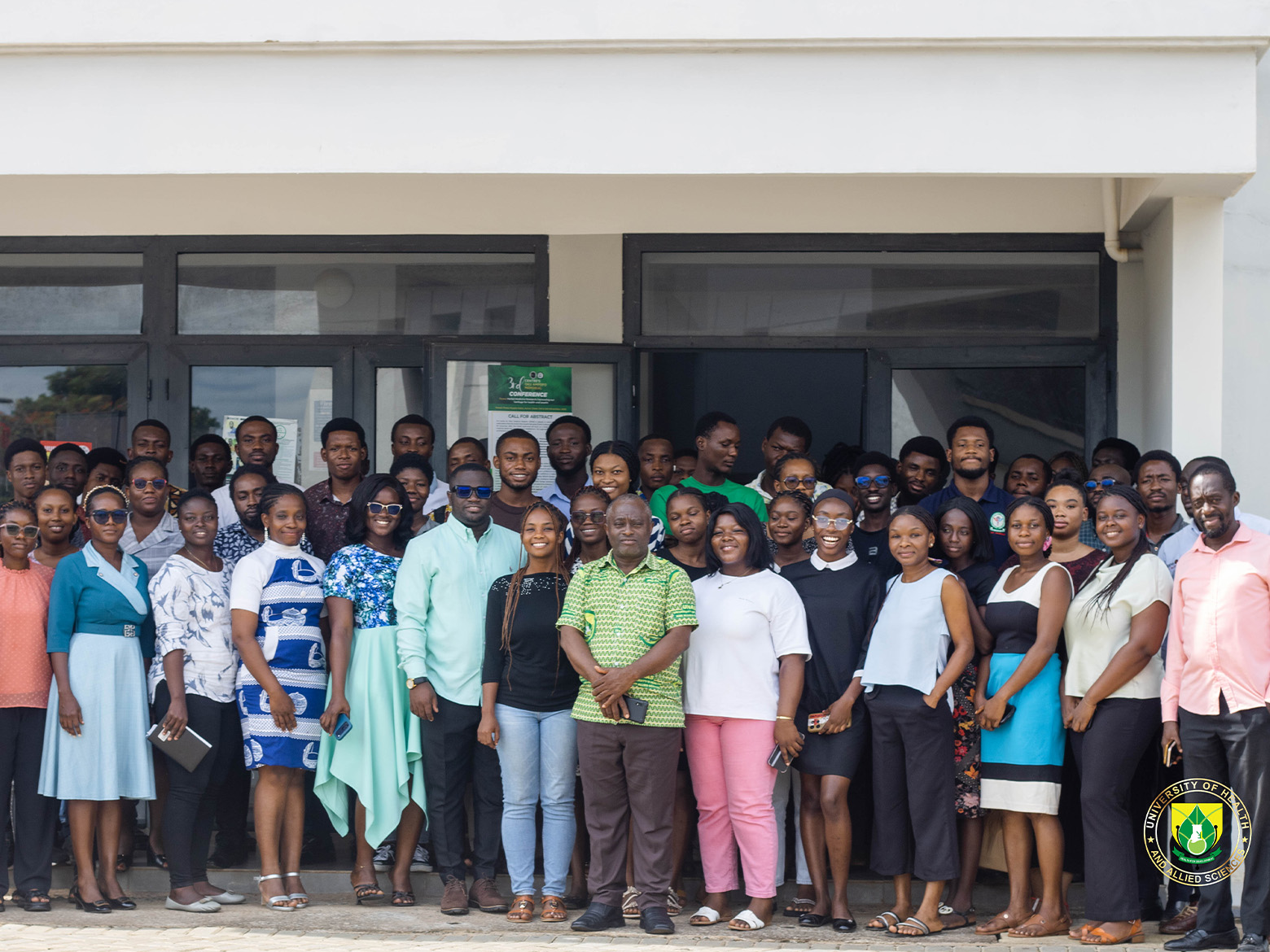
The University of Health and Allied Sciences (UHAS) has taken a significant step in advancing climate discourse by hosting a two-day workshop on Carbon Dioxide Removal (CDR) and Solar Radiation Management (SRM). The event, held from June 4 to 5, 2026, at the School of Pharmacy Seminar Room on the UHAS Phase One Campus in Sokode-Lokoe, brought together climate scientists, academics, policymakers, and students to examine the scientific, ethical, governance, and justice dimensions of emerging climate intervention strategies.
Professor Seth Amponsah, Dean of UHAS School of Basic and Biomedical Sciences (SBBS), in his welcome address, emphasized the importance of knowledge sharing and collaboration in tackling climate change. He encouraged active engagement, noting that innovative strategies must be critically examined to ensure they serve humanity equitably.
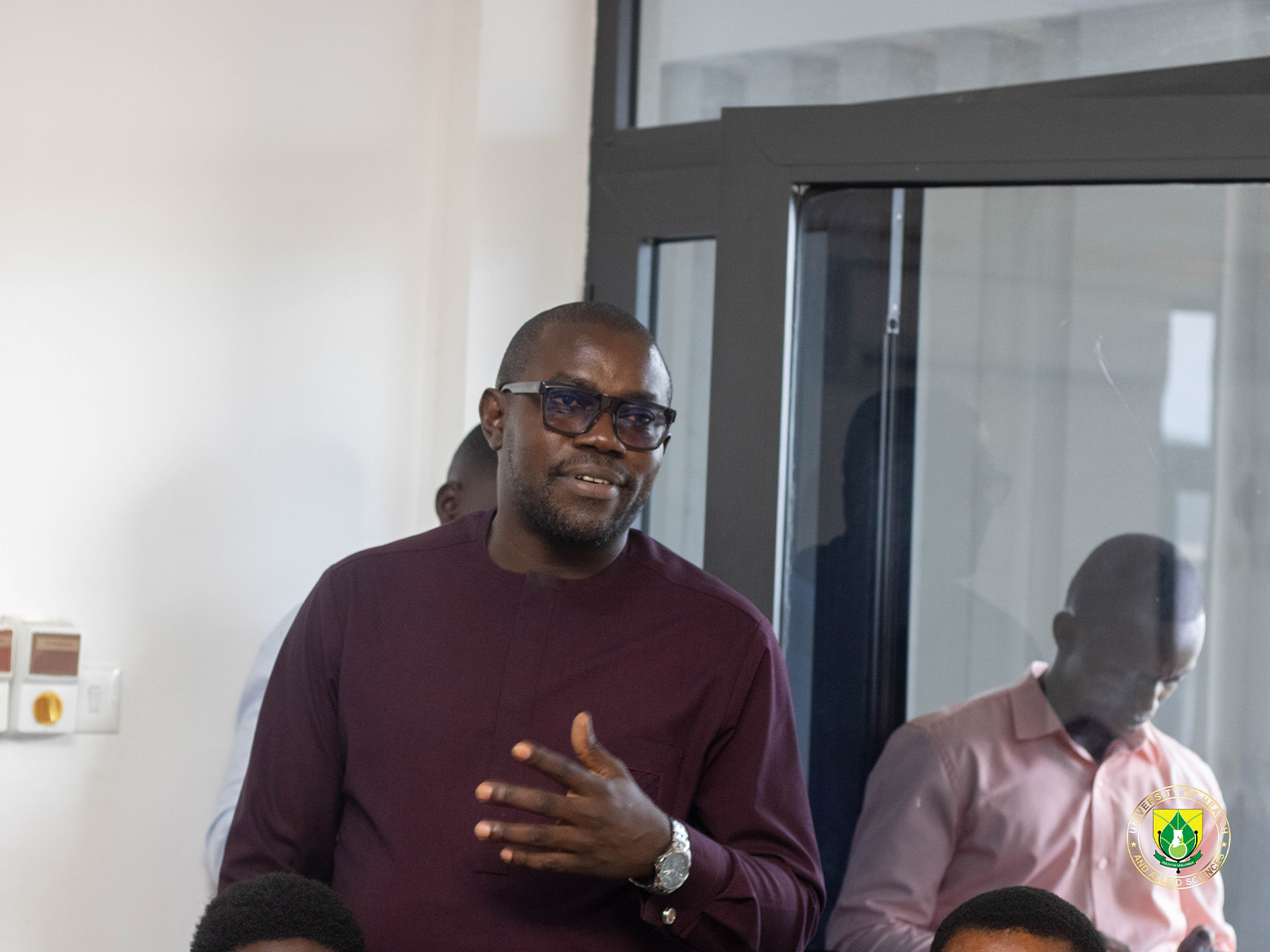
Prof. Clement Okraku Tettey, Head of Basic Biomedical Sciences Department, SBBS, set the stage with a comprehensive overview of climate change science. He explained the distinction between weather and climate, the role of greenhouse gases and the human activities driving global warming. Highlighting impacts on ecosystems, public health, food security and livelihoods, he stressed the need for climate literacy and evidence-based interventions.
Prof. Tettey further explored the urgent need for Carbon Dioxide Removal technologies, noting that carbon dioxide accounts for 75–80% of heat-trapping emissions. He introduced participants to approaches such as Direct Air Capture, Bioenergy with Carbon Capture and Storage, Enhanced Rock Weathering, afforestation, wetland restoration and ocean-based carbon removal methods.
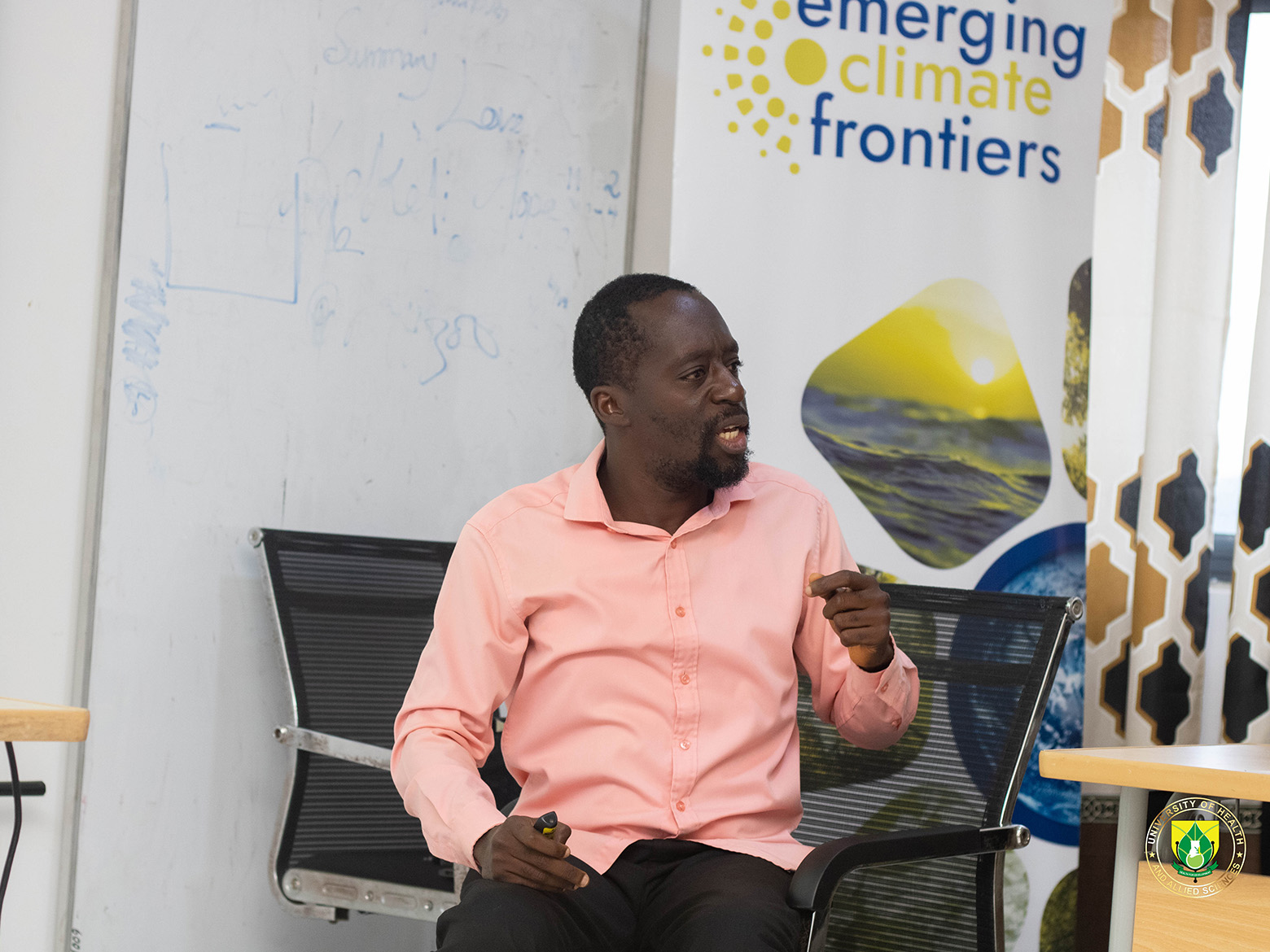
Dr. Enoch Aninagyei addressed participants on SRM, describing it as a potential temporary measure to reflect solar radiation and cool the planet. He discussed techniques like Stratospheric Aerosol Injection, Marine Cloud Brightening and Surface Albedo Modification, citing the 1991 Mount Pinatubo eruption as an example of natural cooling. He cautioned about uncertainties, warning that SRM could disrupt rainfall patterns, agriculture and public health across Africa.
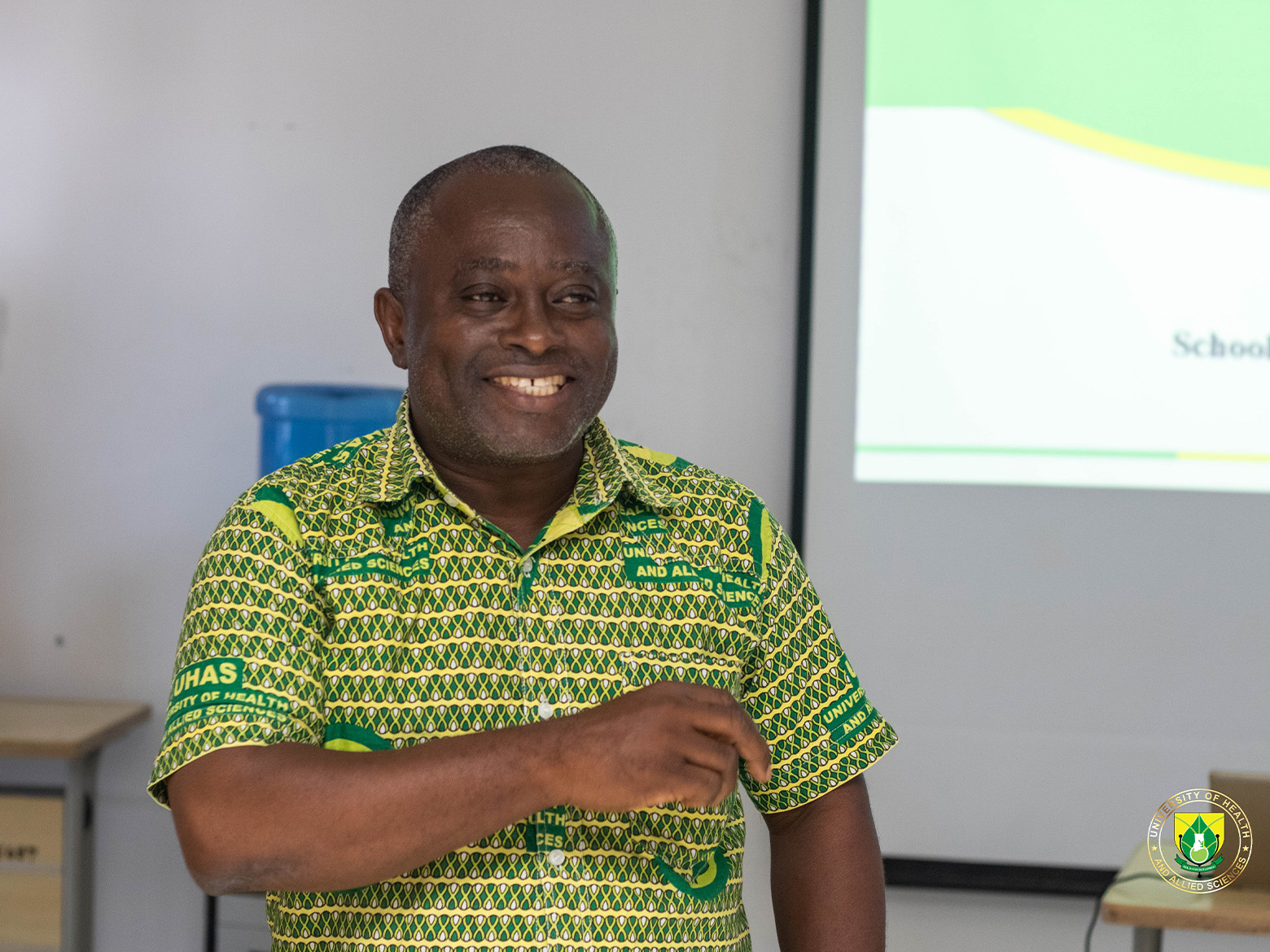
Mr. Israel Tordzro Agudze examined governance challenges, highlighting the absence of a comprehensive international legal framework for SRM. He warned against unilateral deployment by advanced nations, which could spark environmental and diplomatic tensions. He called for financial support, technology transfer and capacity building to empower vulnerable nations in global climate governance.
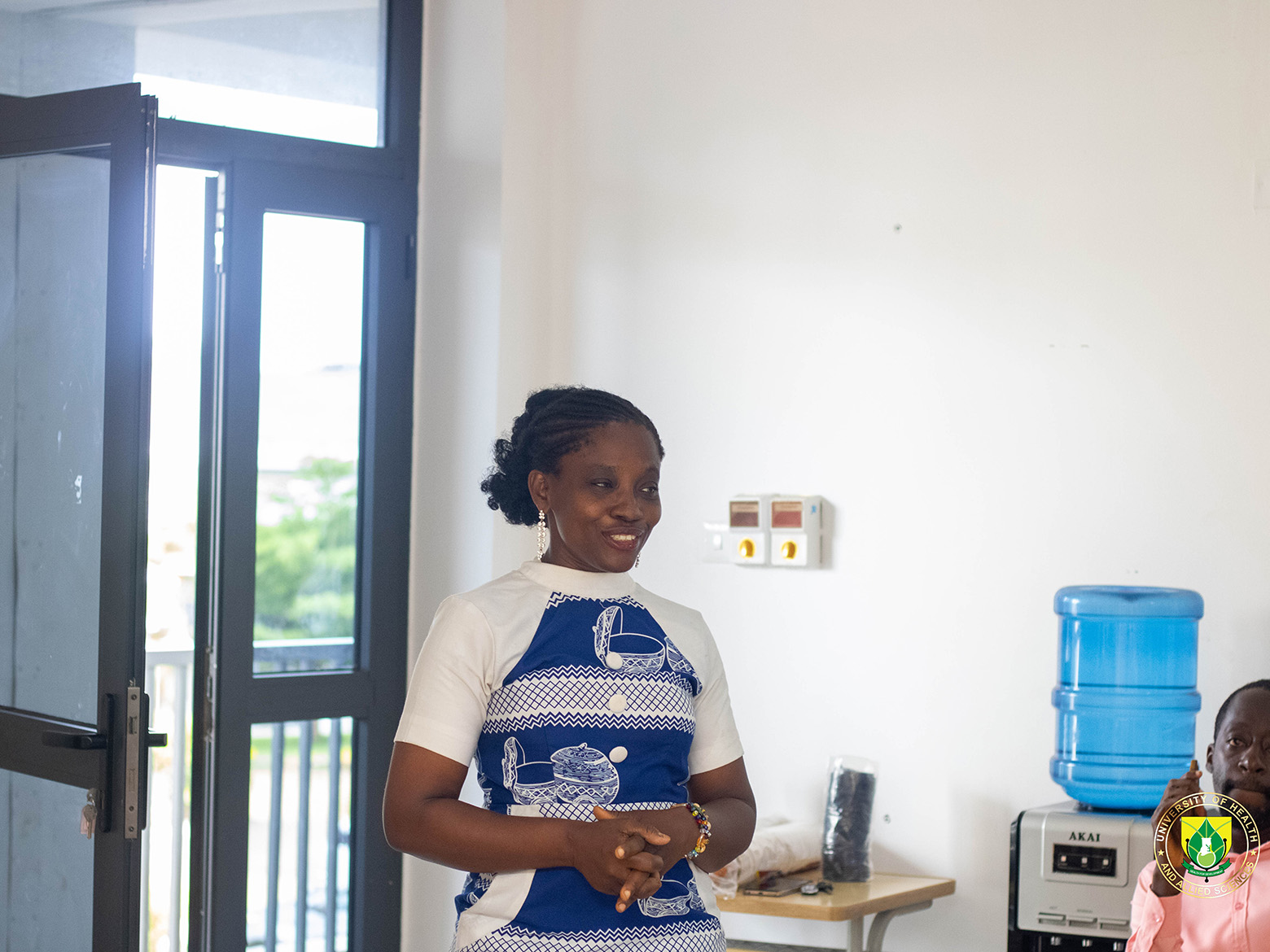
Dr. Adjoa A. Boakye, a faculty at UHAS-SBBS, emphasized the ethical dimensions of climate interventions, urging participants to consider equity, inclusiveness and human rights. She warned of risks such as biodiversity loss, ocean acidification and disproportionate impacts on vulnerable populations. Her presentation challenged participants to reflect on who decides, who benefits and who bears the risks of climate interventions.
The workshop concluded with a governance simulation led by Mr. Ernest Ofori, where participants role-played as representatives of different nations. The exercise highlighted the complexities of balancing national interests, scientific innovation and global cooperation in climate governance.
The workshop deepened participants’ understanding of CDR and SRM technologies while underscoring the importance of science-based policymaking, ethical responsibility, inclusive governance and climate justice. It reinforced the need for African nations to play an active role in shaping the future of climate intervention technologies.